

PHOTO DIARY: 1 WEEK IN TAIWAN
Earlier this year, I realised it had been almost 2 years since I visited a country that wasn't Japan or England. Realising, too, that summer was fast approaching, I decided to book a last-minute trip to Taiwan in late April. A much needed break after a busy start to the year, I started planning a loose itinerary of city walking and photo making. My knowledge of Taiwan is pretty minimal, mostly filled in by my Taiwanese friends here in Tokyo, all I know to expect is rain in Taipei and delicious food everywhere.
The plan was also to give myself as little to worry about as possible; Taiwan is a safe country, about as safe as Japan, but I'd be lying if the thought of my irreplaceably expensive digital camera getting lost or stolen whilst on holiday wasn't lingering in the back of my mind. Instead, I packed my Olympus OM-1, a simple 35mm film SLR, with a plan to pick up a couple of rolls of Ilford HP5 (my favourite film stock) once I landed in Taipei. With this, too, I was hoping to remove the distractions and temptations offered by digital photography; the instant feedback, the limitless amount of photos one can take, the feeling that I'd have to spend hours editing a mountain of RAW files once I got home. Life need not be so complicated.
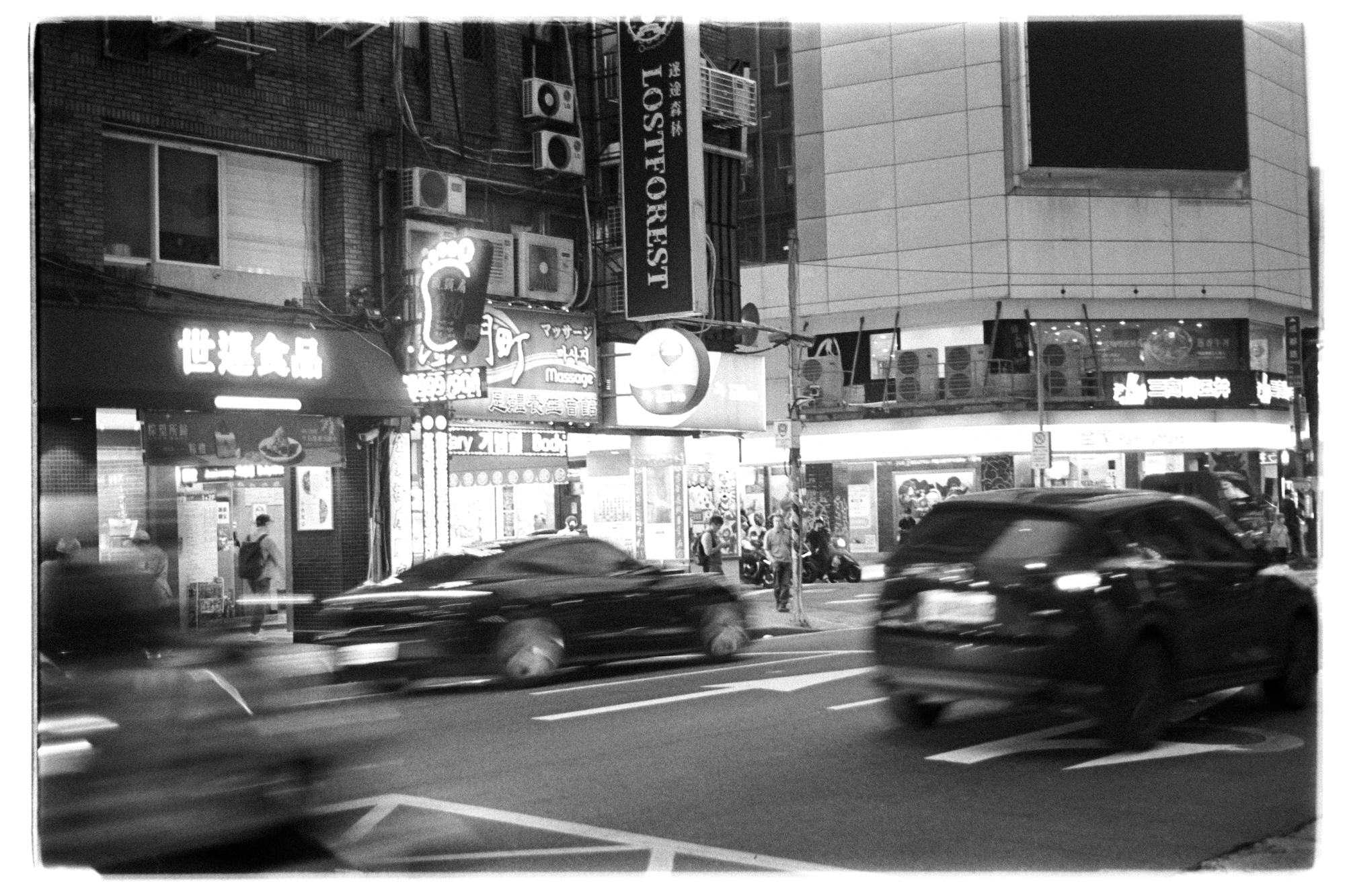
TAIPEI
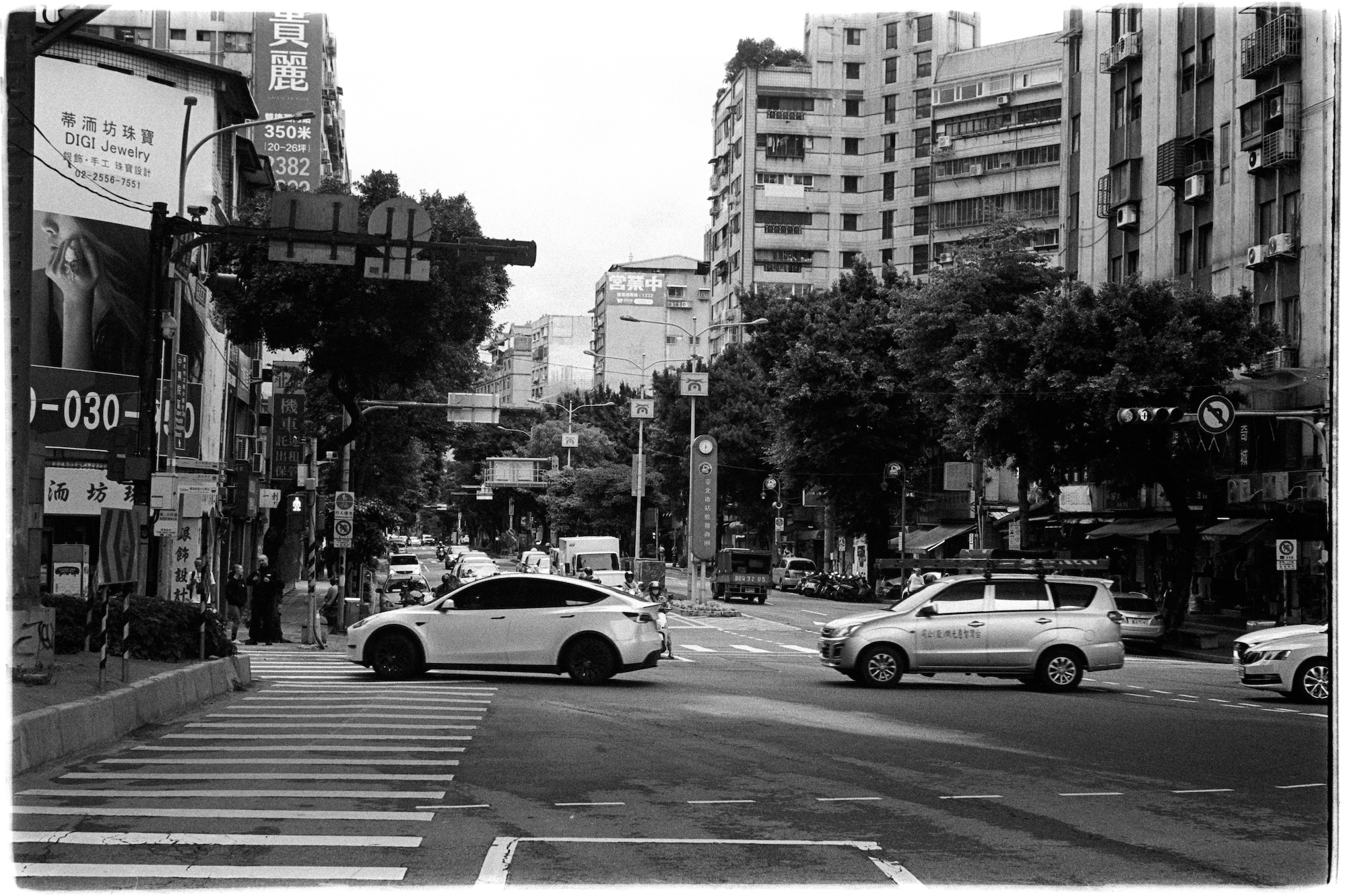
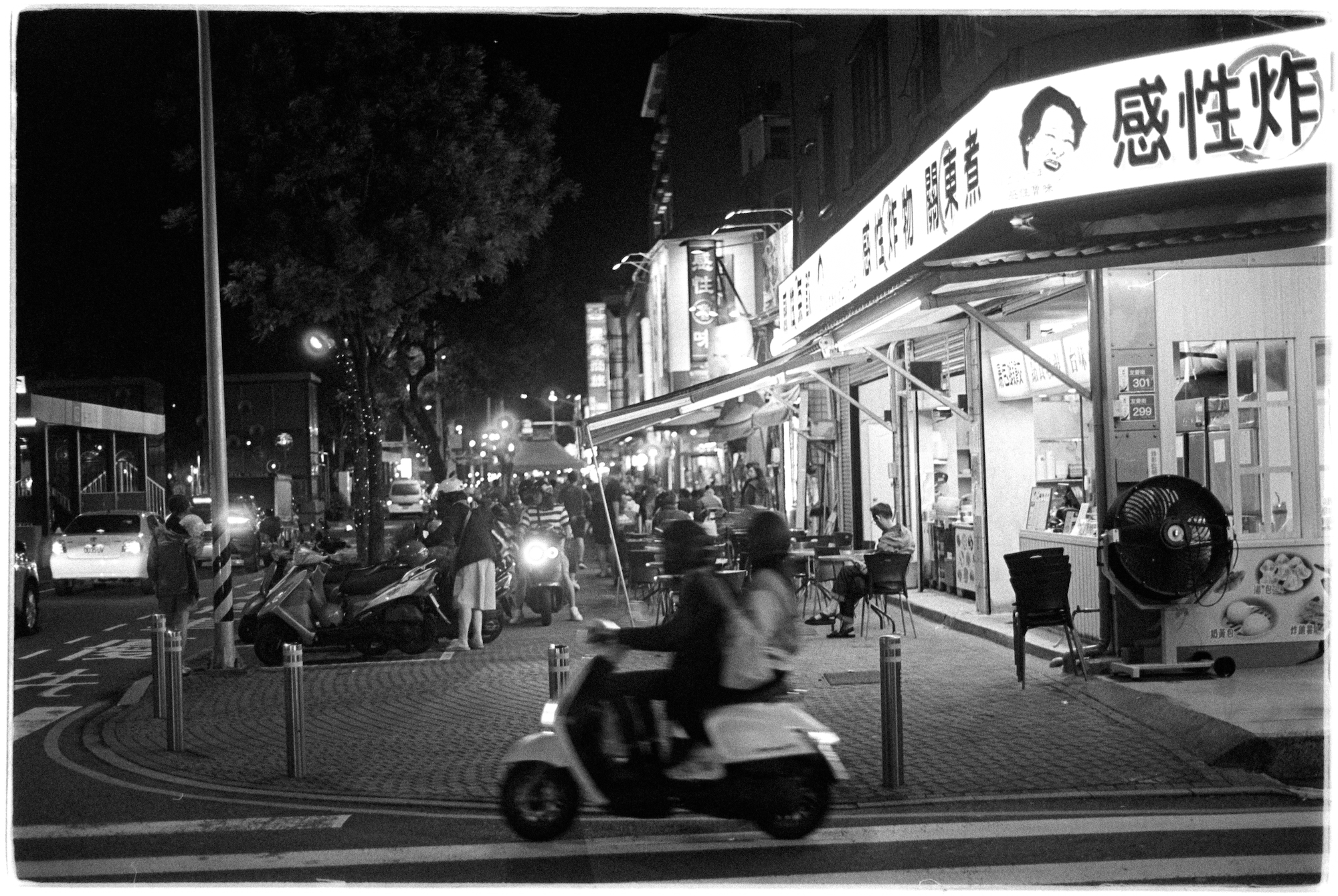
The weather in Britain is bad, infamously so. A photographer friend of mine joked once that buying colour film in England was simply a “waste of money”, given the lack of sunny weather the UK gets, starving colour film of its much-needed light. I primarily shot black & white film when I lived in England, with a couple of colour rolls ready to go should the sun peek out from behind the clouds for a few hours. The weather was also part of the reason I chose to only shoot black & white film on this trip too; Taipei is actually just as cloudy as the UK, 6,000 miles apart and both cloaked in a gloomy layer of clouds for around 60% of the year. And sure enough, as soon as I get off my train from Taoyuan Airport at Taipei Main Station, the heavens open - the walk to my hostel in Ximen is spent dodging the rain under scattered stalls and dusty shopfronts, catching glimpses of new smells and sights. I spent my first couple of days in Taipei wandering aimlessly around its grey, dusty streets, stuffing my face with spicy fried chicken, beef noodles, braised pork, and the incredible creation that is Taiwanese breakfast.
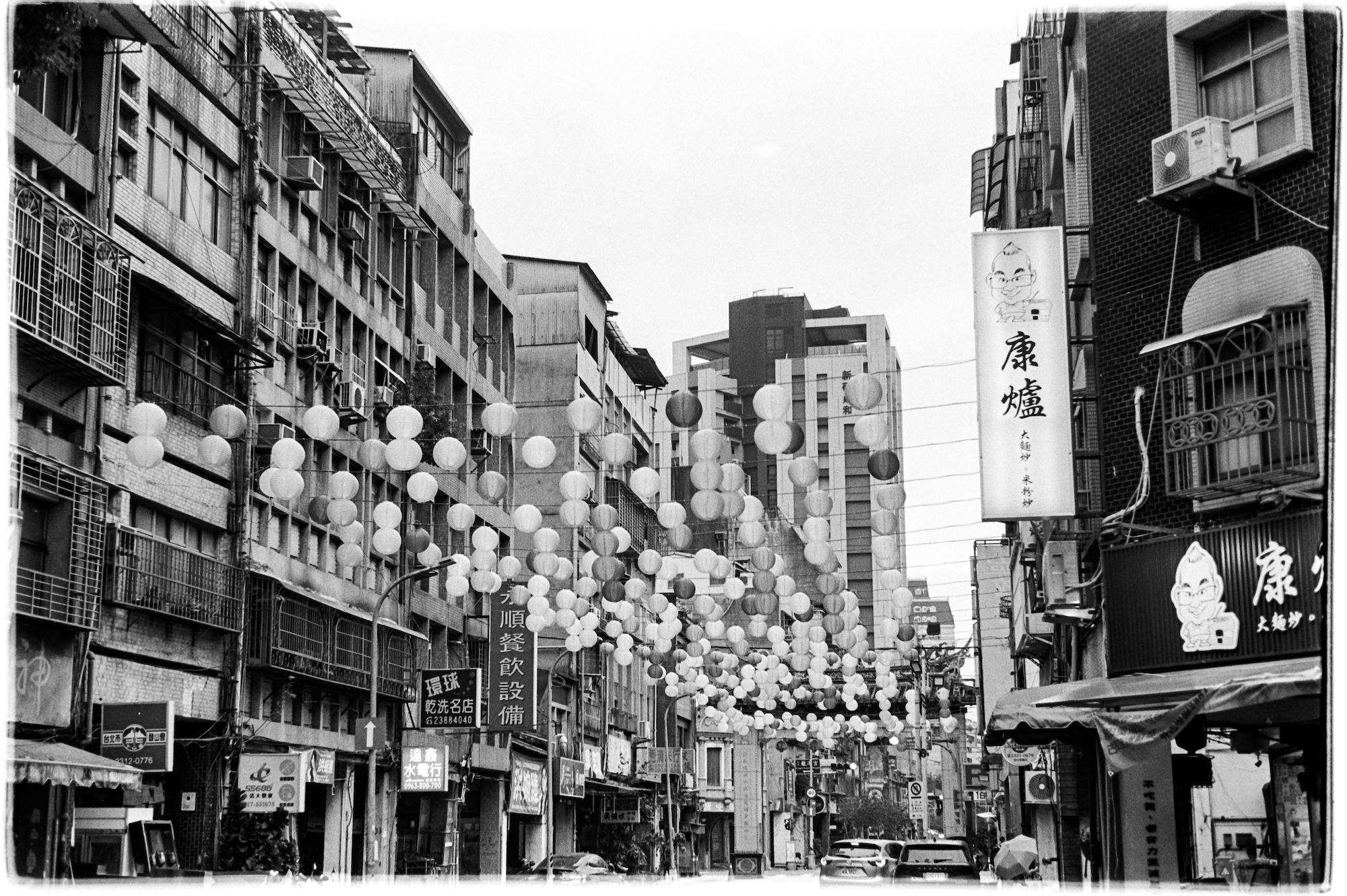
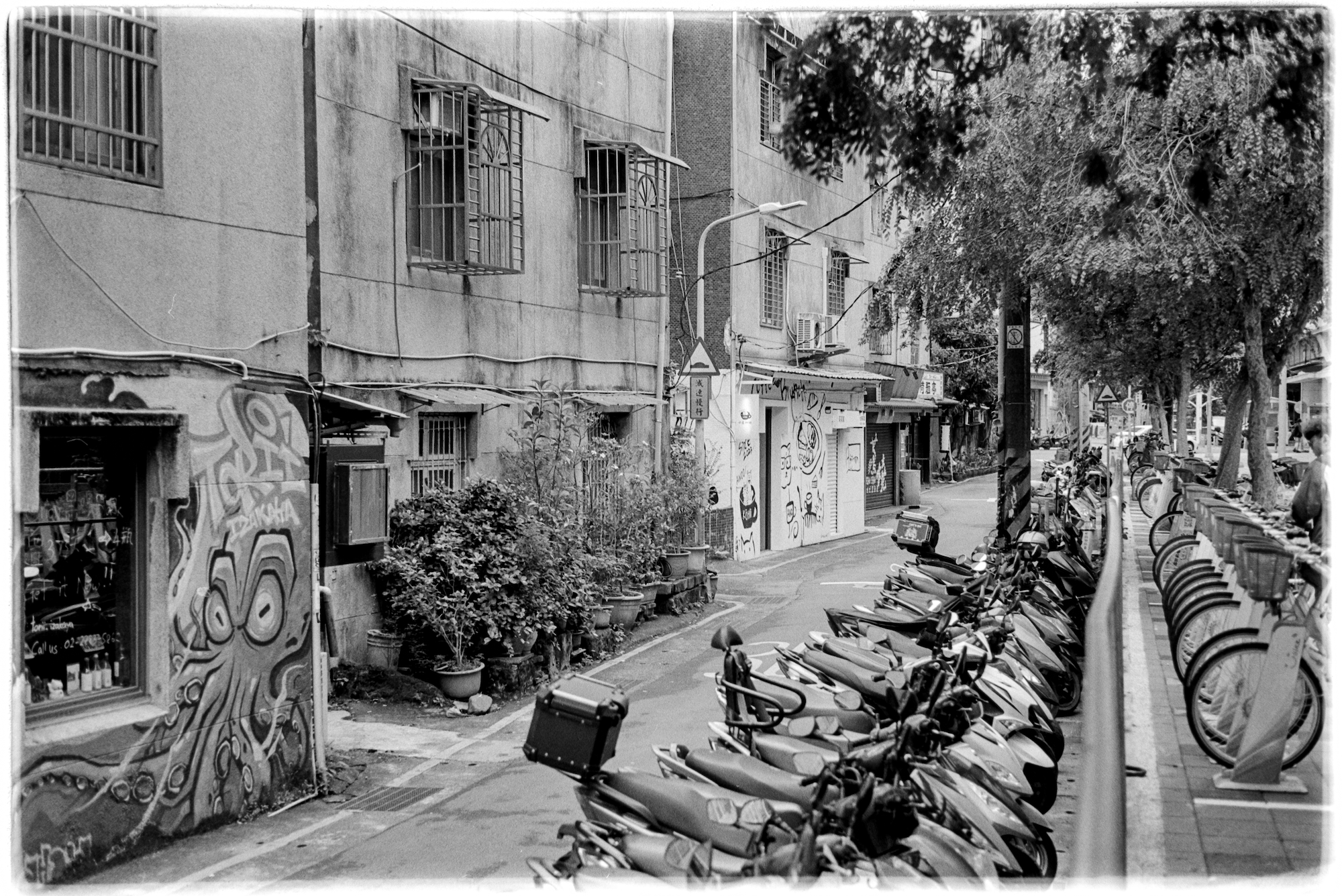
After 2 years in Japan, I hadn’t realised how accustomed I’d become to its manners and hospitality. You walk into a shop anywhere in Japan and you’re greeted with “irasshaimase” on a scale from terse politeness to boisterous and jovial (it often depends if the proprietor is just a teenager working their 9-5 or the uncle in charge of the ramen shop). In Taiwan, this greeting can be anything from a “hey man, what’s up” to an auntie impatiently scolding you for not picking from the menu fast enough. A middle-aged woman at a tofu stall in Raohe tells me flatly “OK money, money!”, groping at an invisible coin purse with her right hand while I hurriedly rifle through my wallet. Some other aunties at a breakfast shop near my hostel greet me with beaming smiles, beckoning me in and enthusiastically talk me through the menu. My European personality enjoys the realness of the people in Taiwan, none of the charade of looking polite.
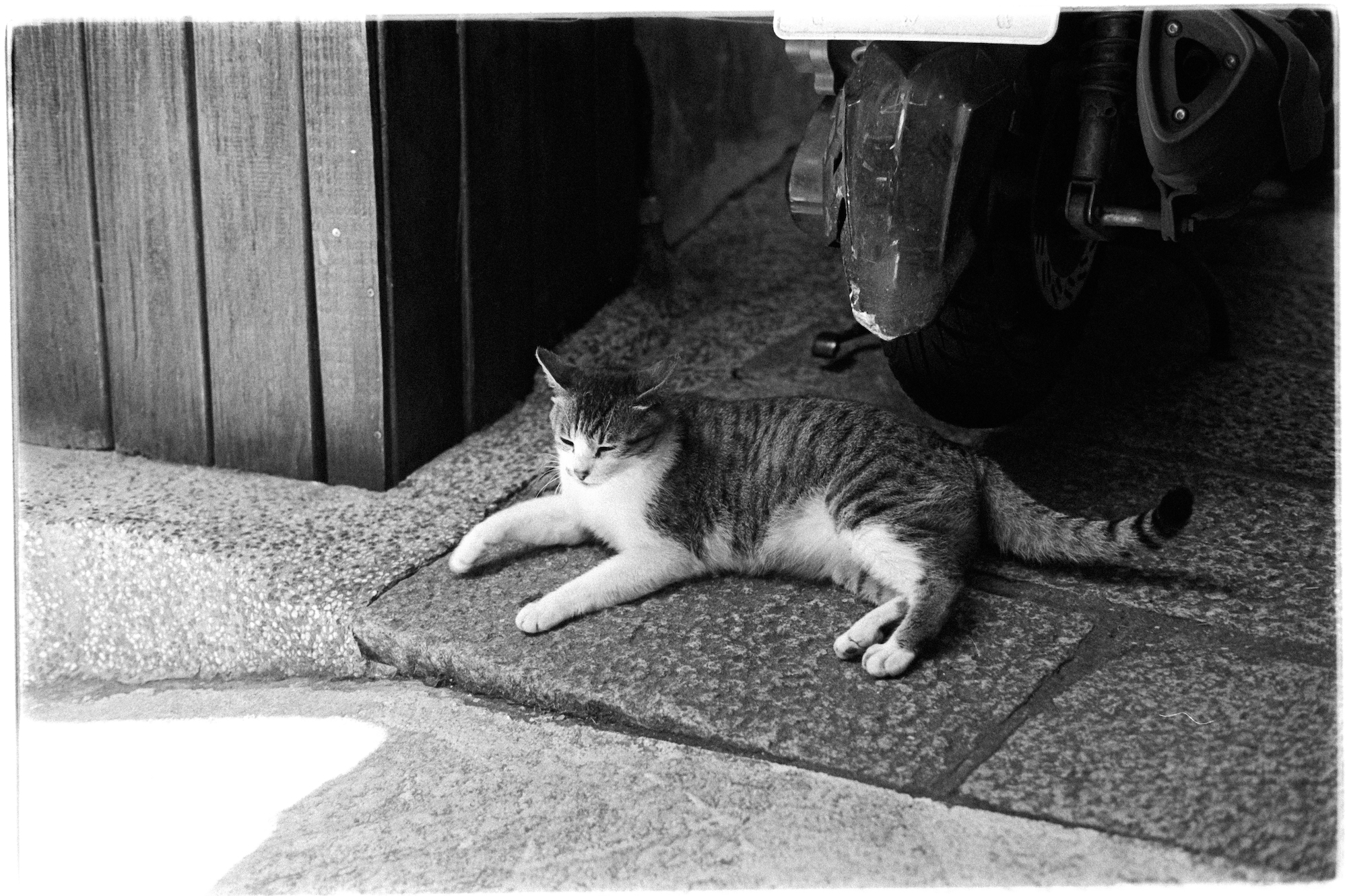
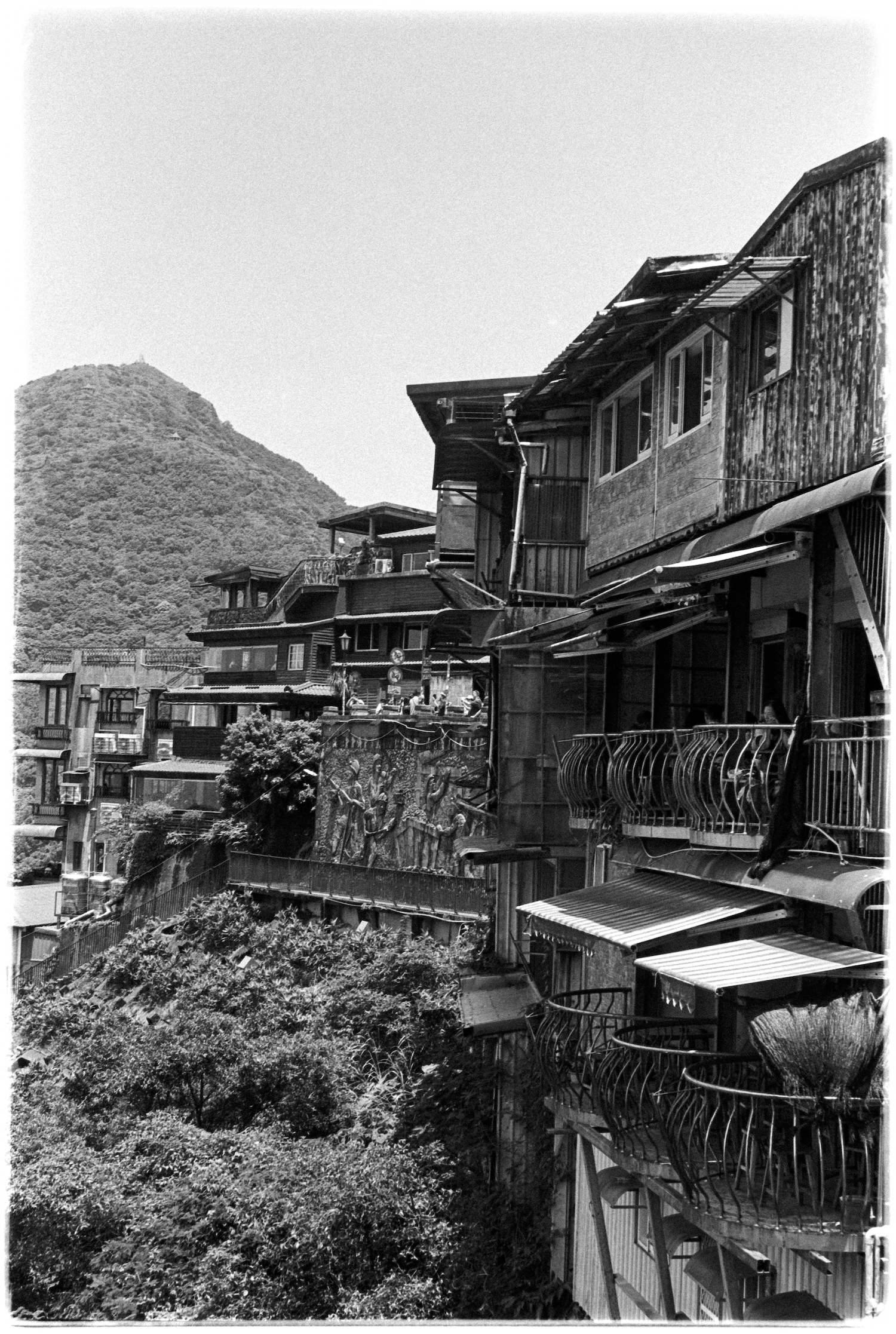
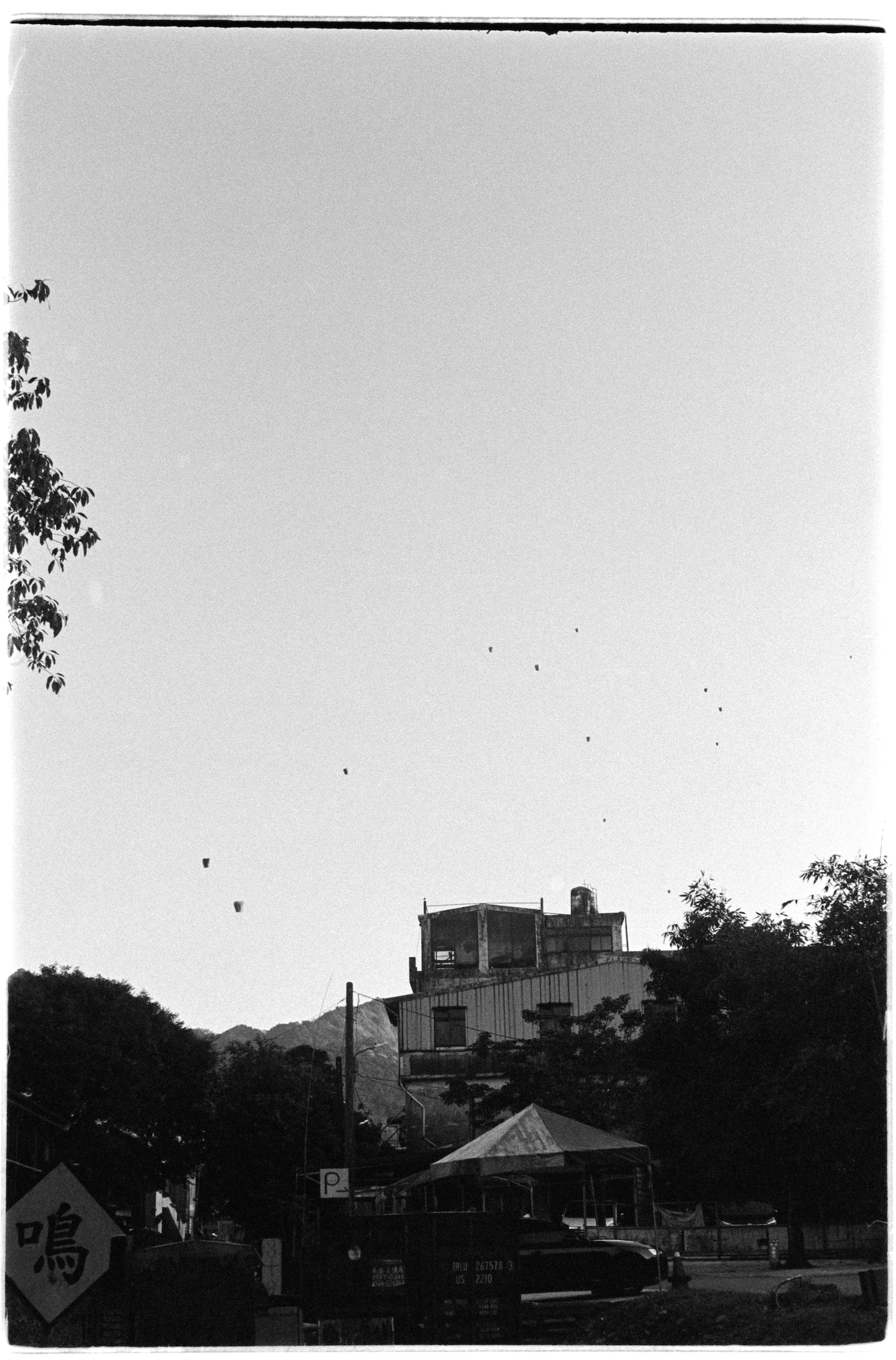
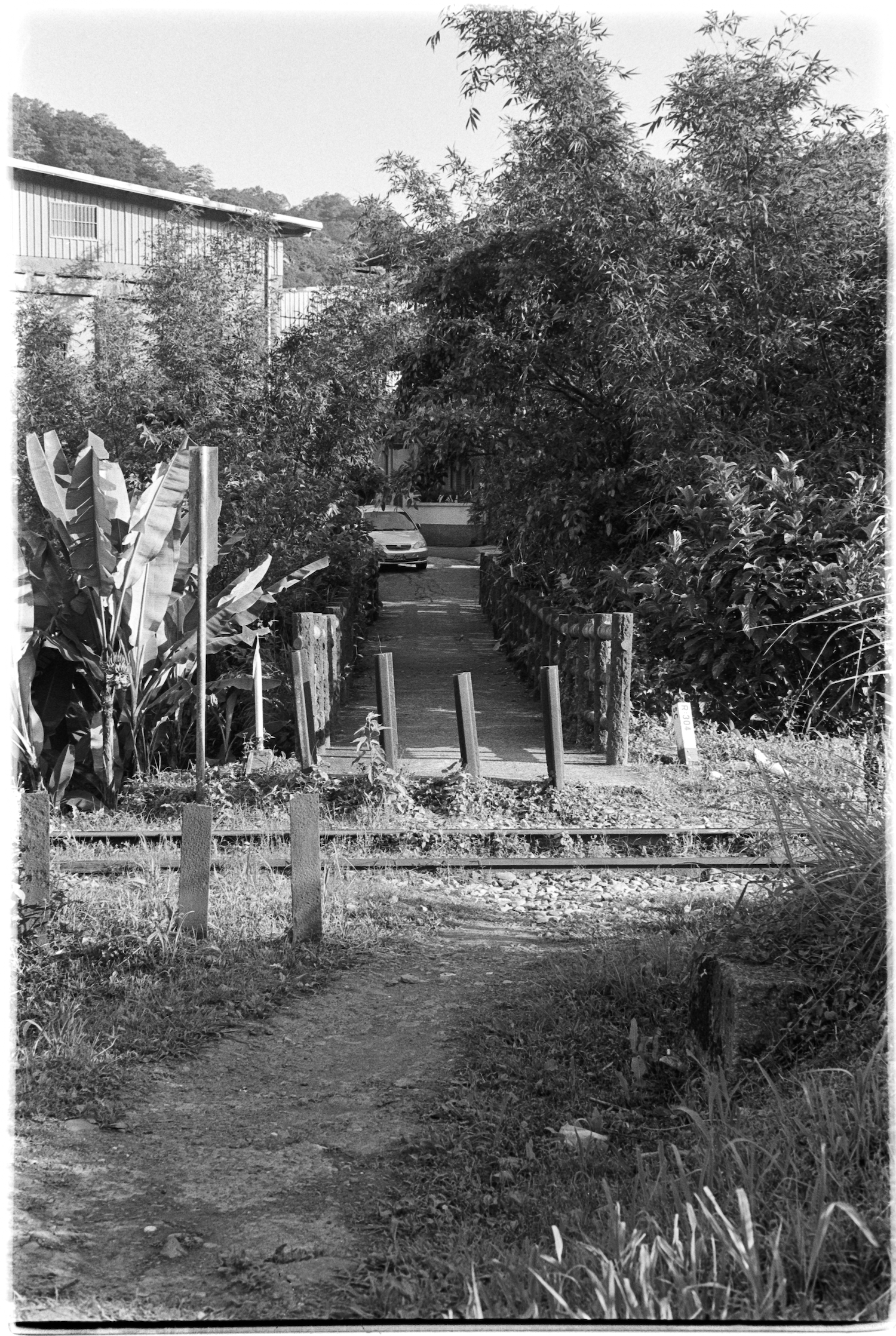
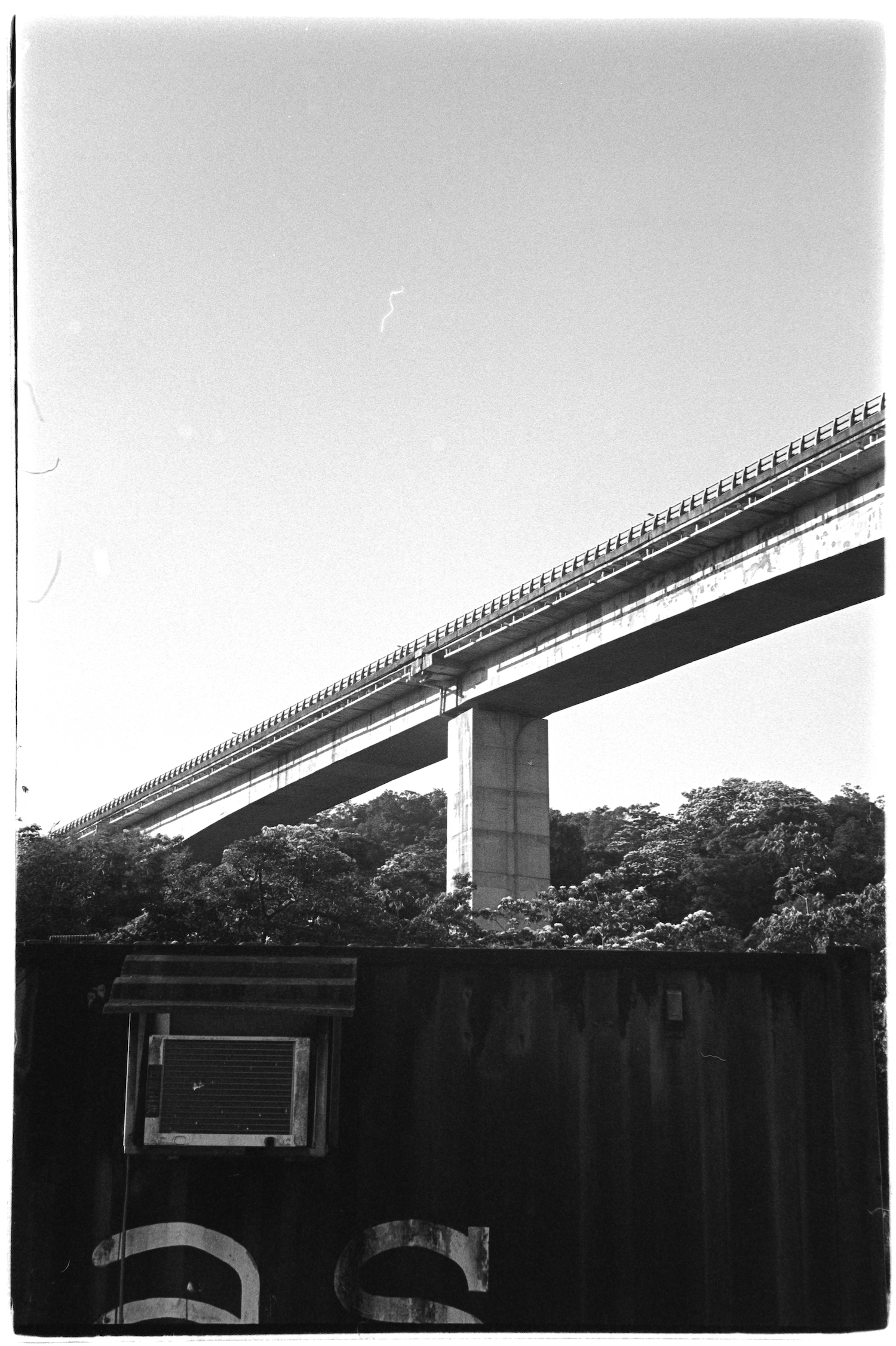
For the one day of sunny weather I had in Taipei, I took a bus up to the mountain villages in New Taipei City; Jiufen, popular with Japanese tourists for its so-called Ghibli-esque atmosphere, the former coal mining town of Houtong now known for housing a sizeable amount of scraggly cats (thusly dubbed 'Houtong Cat Village'), and Shifen, a town comprised of a single street either side of a railway track, a pedestrian area when a train isn't running through. High up in the hills the heat of the city lessens, the sky is clear and a refreshing breeze swells up from the sea, smells of nature and frying food mingling as I alight at Jiufen. Later in the day train from Houtong to Shifen is slow, cruising through a scenic area of deep, verdant valleys and cosy towns. Two young parents contend with a misbehaving child, and myself and two other young tourists share a knowing laugh as they try to stop her parkour-ing off the seats of the train carriage. Shifen's main street, filled with tourists setting off paper lanterns with wishes for the future and various street vendors, smells amazing too. I cruise past the food stalls and take a detour down to the waterfall trail (the actual waterfall itself unfortunately having already closed), and I'm almost reminded of parts of the Japanese countryside with its stark, anonymous concrete highways and dense tree-covered hills. Walking back to Shifen from the waterfall I watch the soft evening sky, dotted with black silhouettes of the paper lanterns.
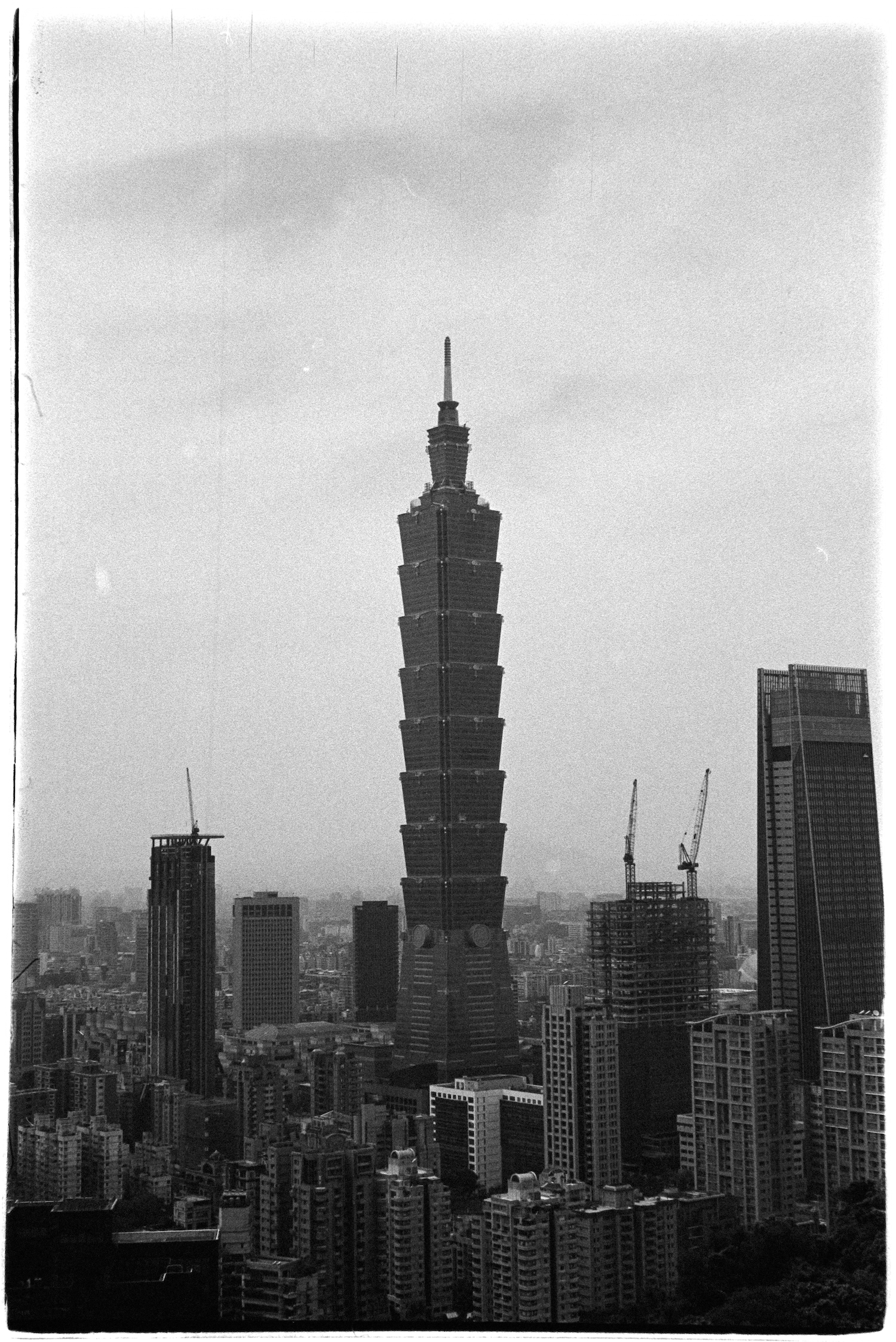
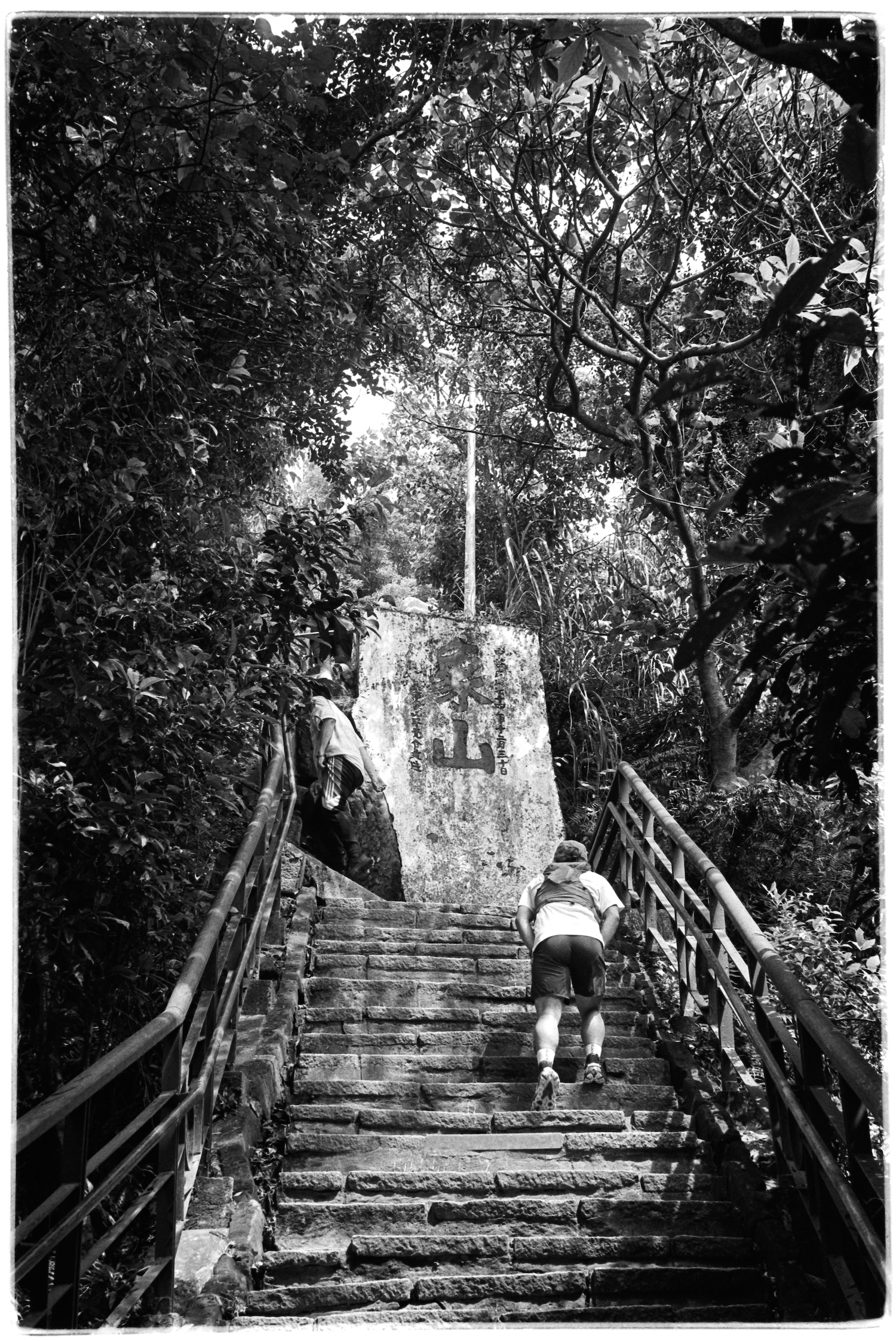
I spent a significantly muggier day walking up Xiangshan (“Elephant Mountain”) on the eastern edge of Taipei City, sweating twice as much as the locals who have seemingly come up here for a casual morning walk. A family from Okinawa comment on my bright red face while I sit panting at the rest stop, chatting in between swigs of Pocari Sweat. From the observation deck one can see the ostentatious, pagoda-like figure of Taipei 101 - at one point the tallest skyscraper in the world - looming high above the rest of the city around it. The next day, I catch the high-speed rail down to Tainan in the southern half of the island.
TAINAN
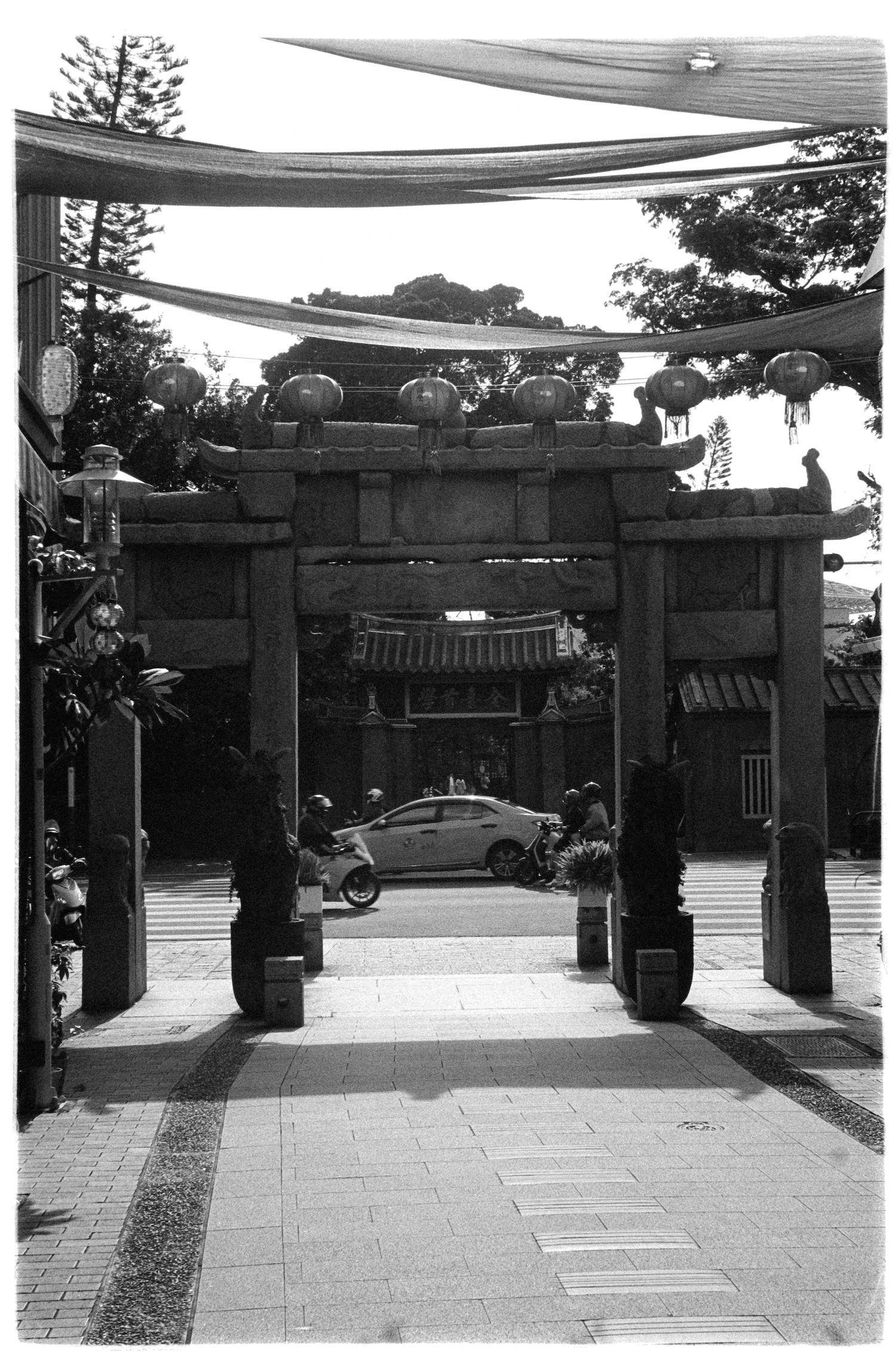
While Taipei is grey, cloudy, and stuffy, Tainan is bright, breezy and tropical - you can even see the surroundings transition from the train window as you go from north to south (the nan in Tainan means south). The streets are wider and windier than Taipei, but it does little to alleviate the blisteringly hot, white sun beating down on my head as a friend and I cruise through the town centre on a rented scooter. The buildings here are lower, not a skyscraper for miles; it feels markedly older and slower than Taipei, and similar to how any capital city compares to the rest of its country, the locals are much more chatty. We park up outside of Feng Shen Temple (named after the God of Wind), and an elderly man starts talking our ear off in Hokkien, apparently giving us his woeful life story (according to my friend, the only one of us two who speaks Taiwanese). We grab some bah-tsàng and keep going down to the Anping District. After another quick stop-off we make our way down to the historic Dutch colonial era-buildings with some cool, sweet bubble tea for the summer heat.
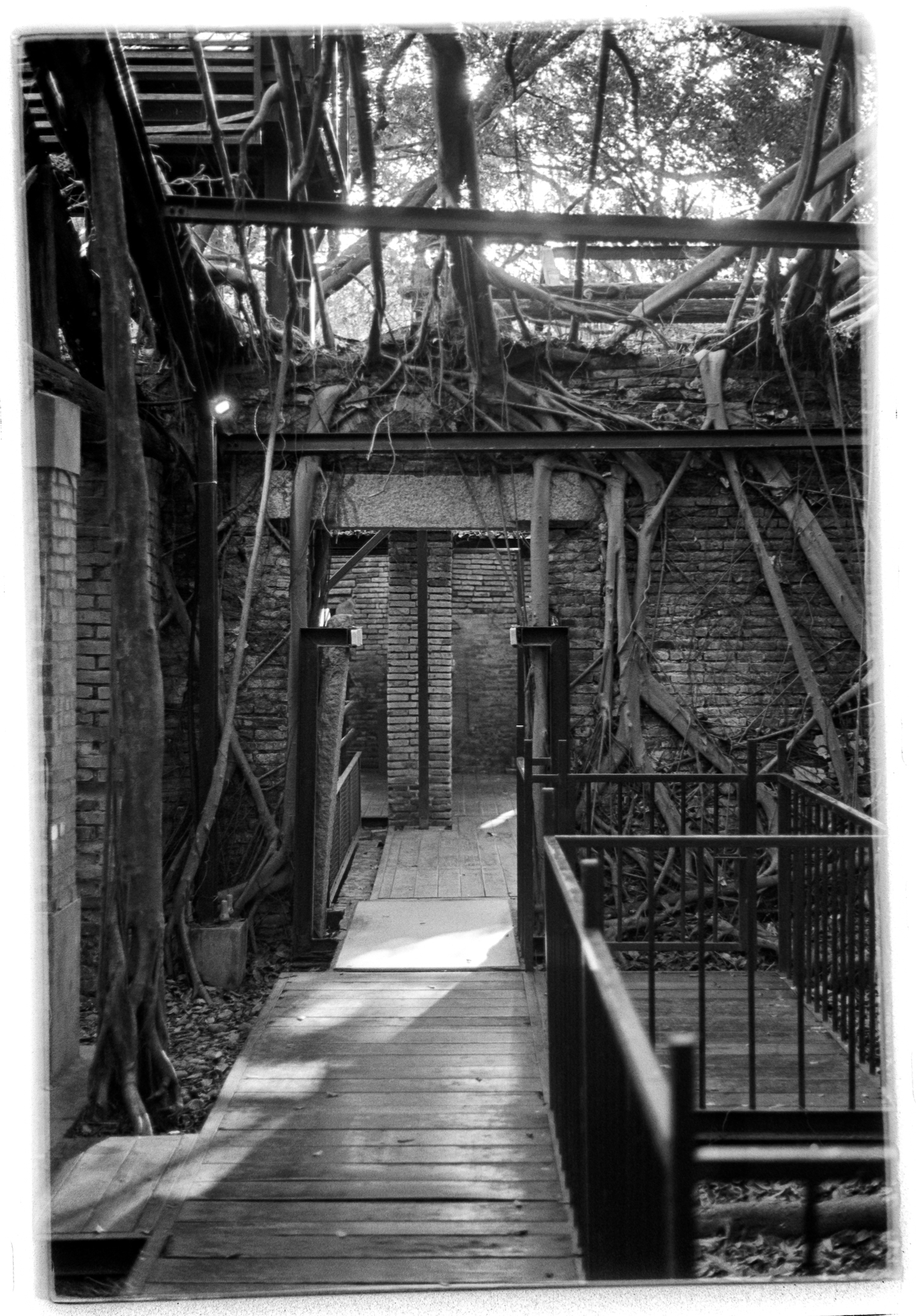
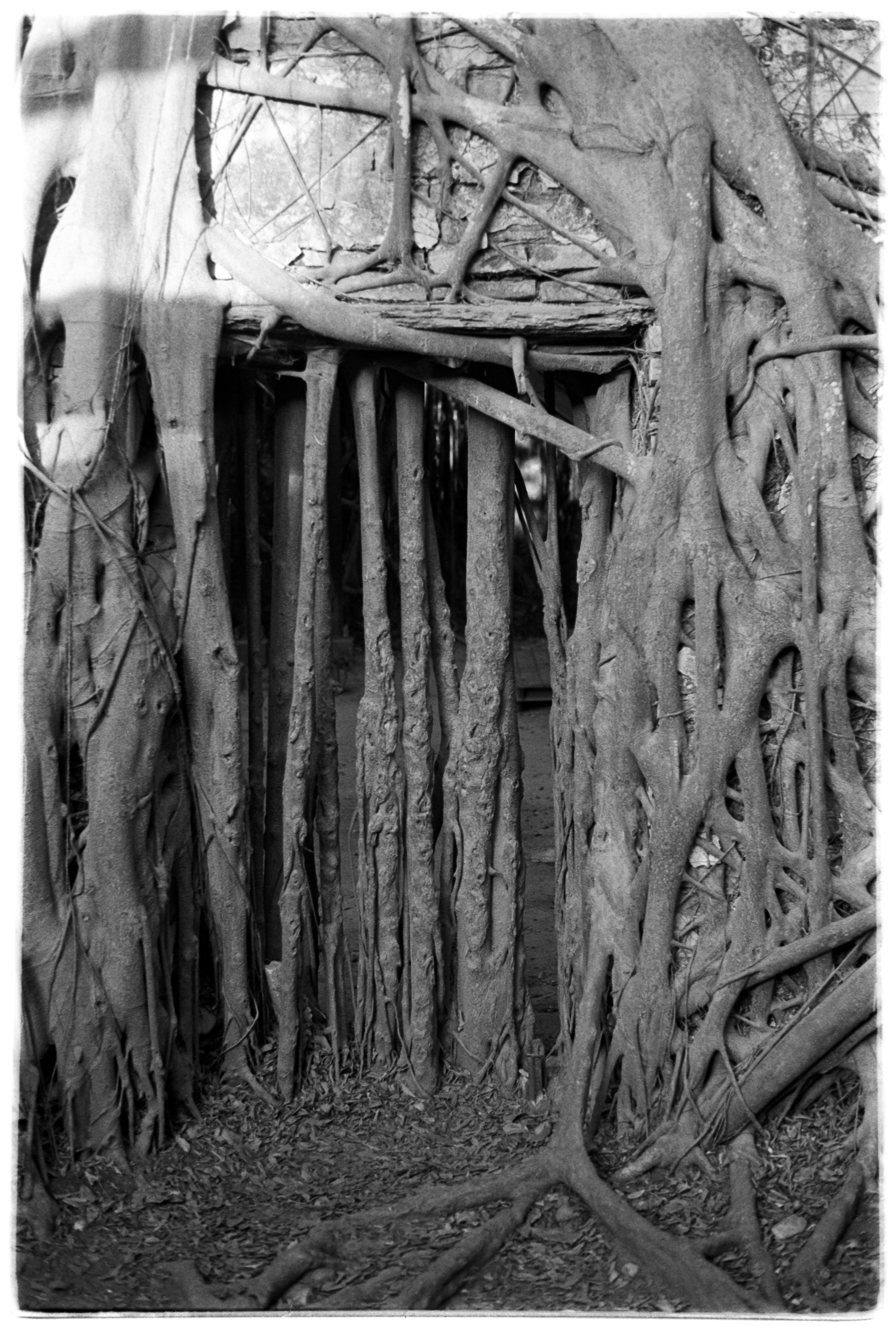
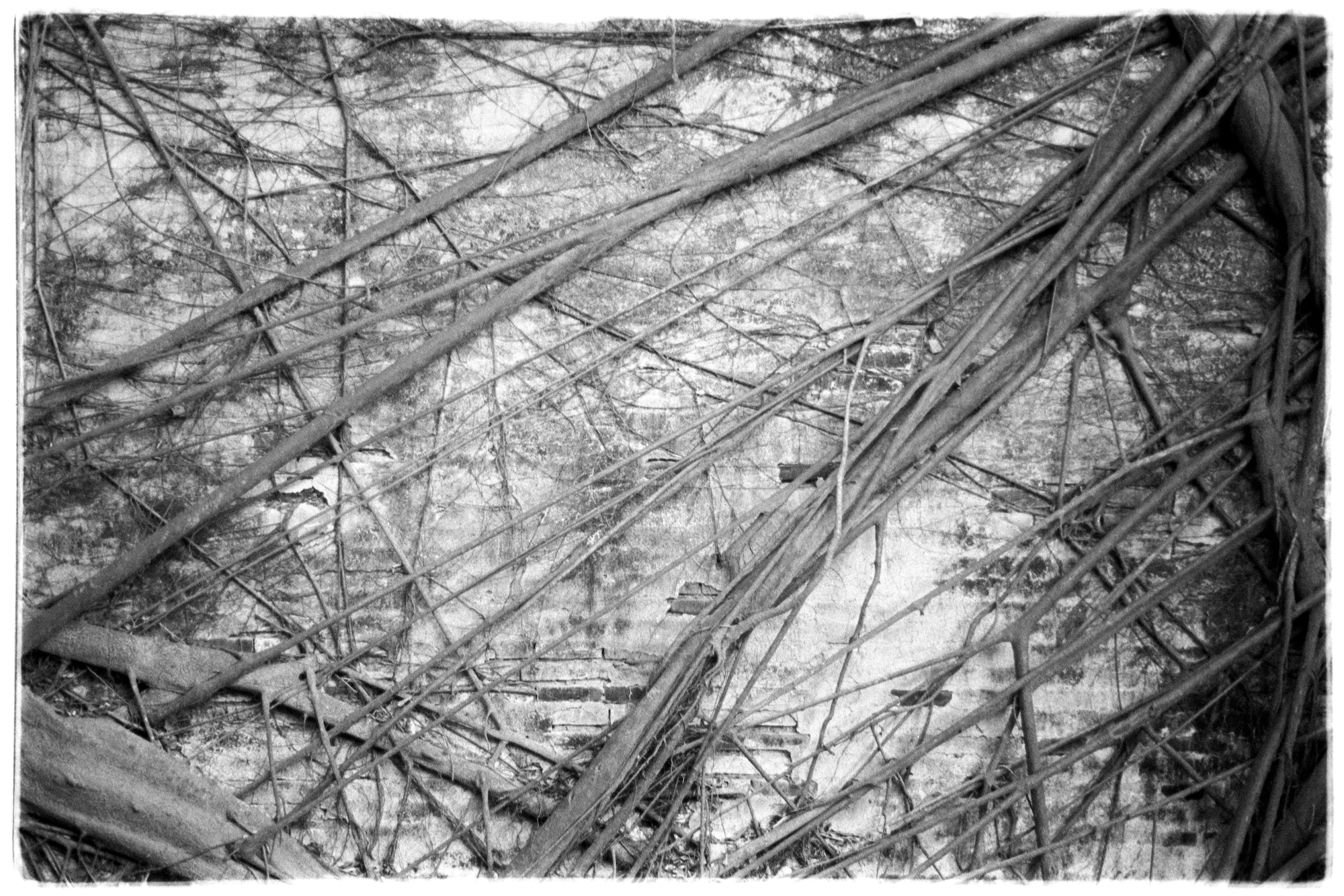
One of the most striking tourist spots in Tainan is the Anping “Treehouse”, a long-disused salt warehouse covered in a dense network of banyan branches. The tree knots parasite-like around the ceiling of the building, sometimes forming webbed patterns on the walls and barring the old doorways with its thick roots. We come to a square room, all doors but the entranceway blocked off, and I feel like I'm in some kind of adventure RPG, tasked with figuring out a way to traverse the impassable branches and progress further. It's quite an impressive sight, and I have to admit the guidebooks are right about this one. We cap the day off with some wonderfully subtle lamb stew, and take the scooter down the riverside one last time before we say our goodbyes.
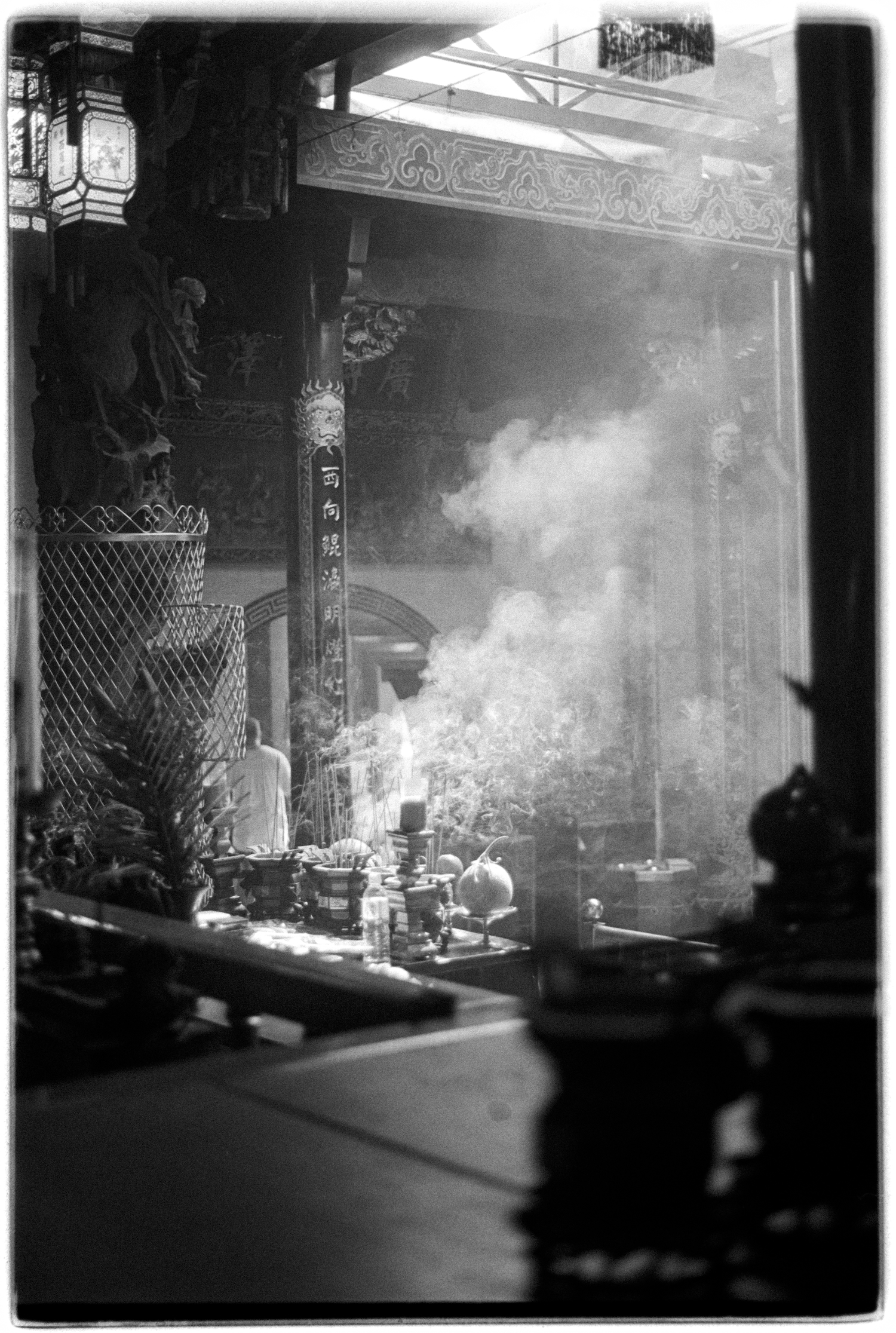
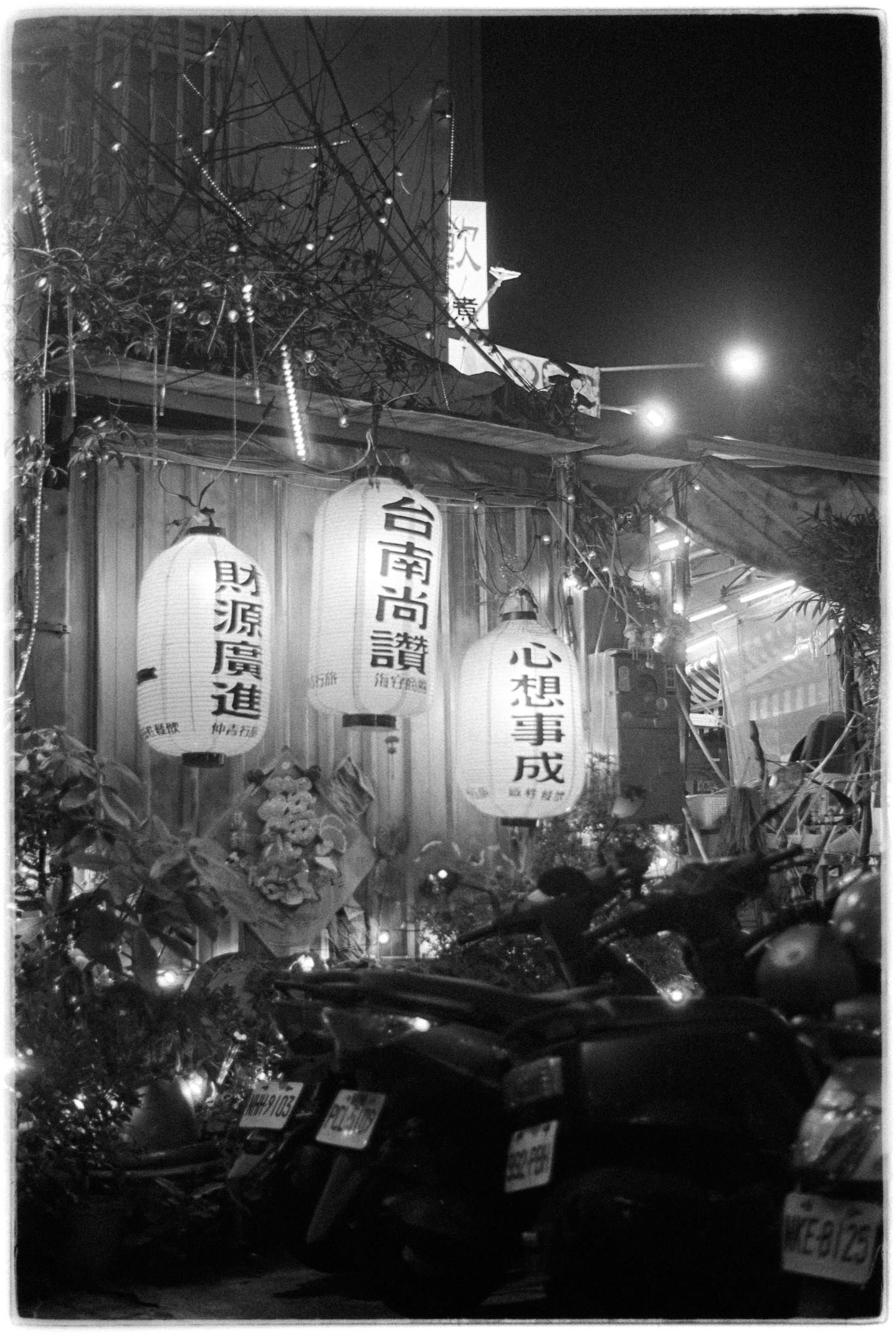
The remainder of my days in Tainan are spent sheltering from the heat in museums and art galleries, but the nights are vibrant as the locals fill the main street by my hostel, celebrating the Mazu Festival, the birthday of the Goddess of the Sea (so I'm told by the hostel staff). Each night the pubs are filled with revellers eating, drinking and laughing, trucks are piping traditional music through the streets, and the temples bustle with performances and prayer. Hearing one such performance, I'm beckoned in to one street-side temple to watch a dramatic puppet show, presumably recounting the local myth of said goddess (unfortunately, I'd no friend to interpret for me at the time).
TAIPEI AND HOME
I headed back to Taipei for the last two days of my trip, mainly for souvenir shopping and savouring the last bits of street market food I could. By this point I'd crammed in as much breakfast I could from the local “soy milk” eateries, which to this day I can't stop thinking about.
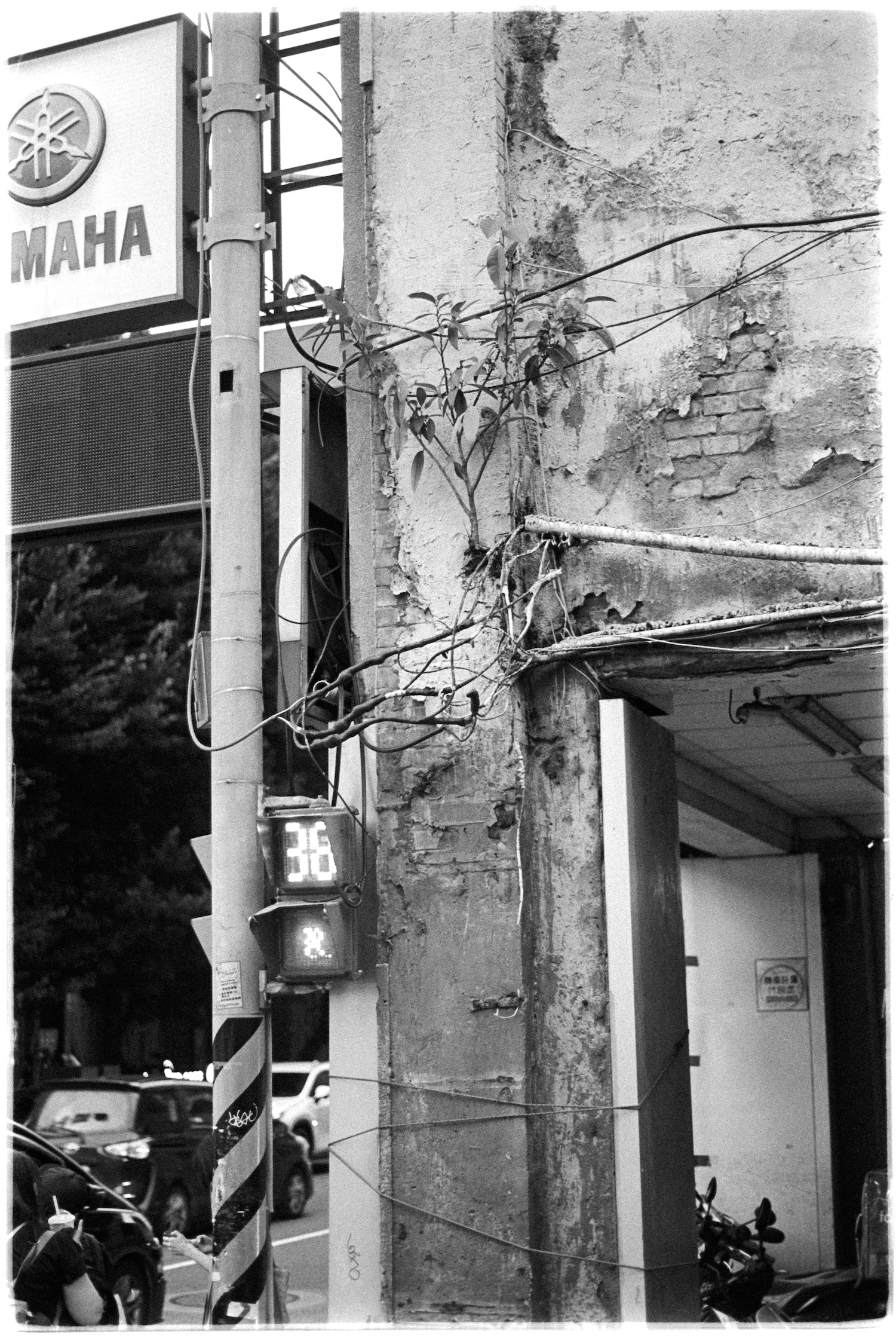
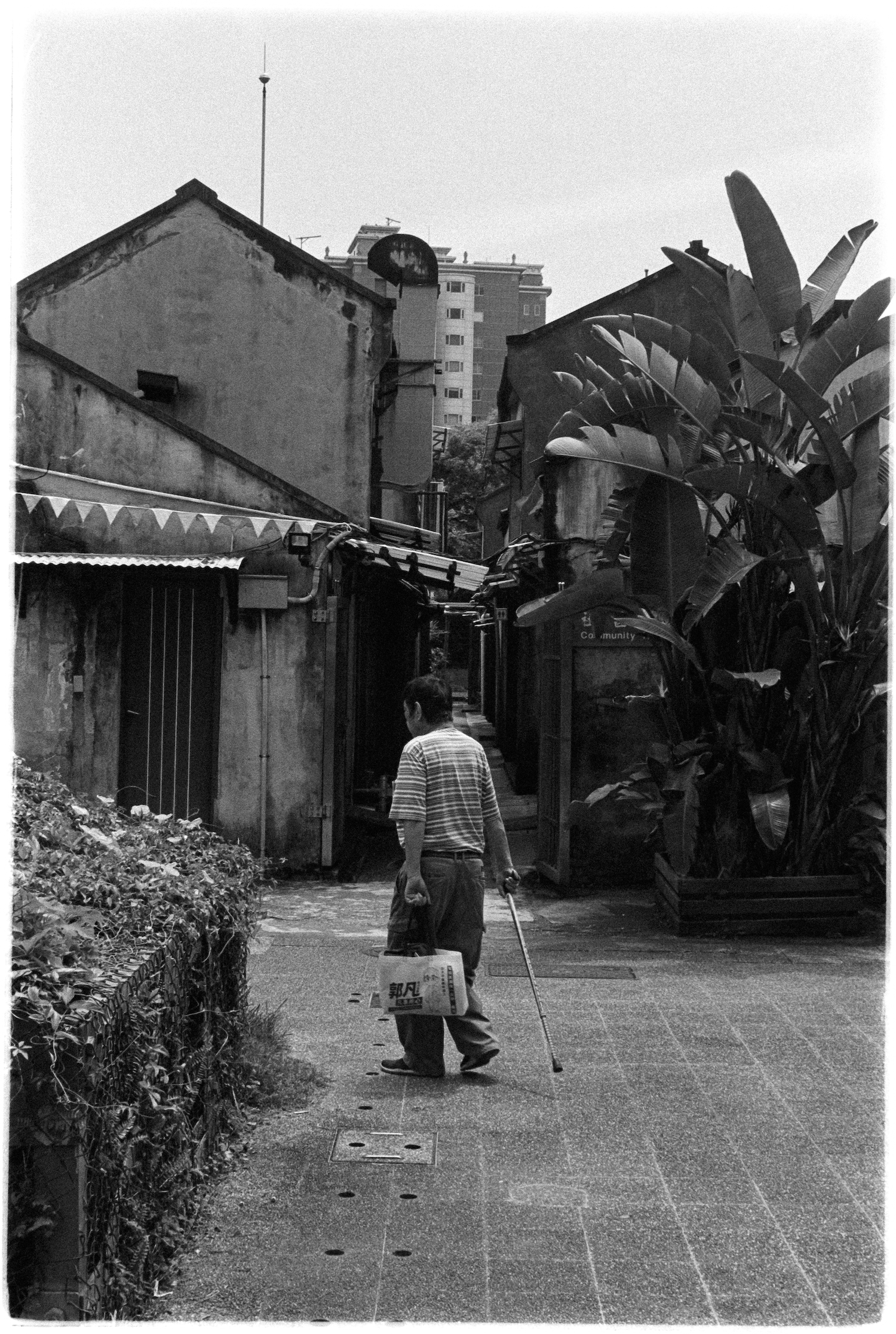
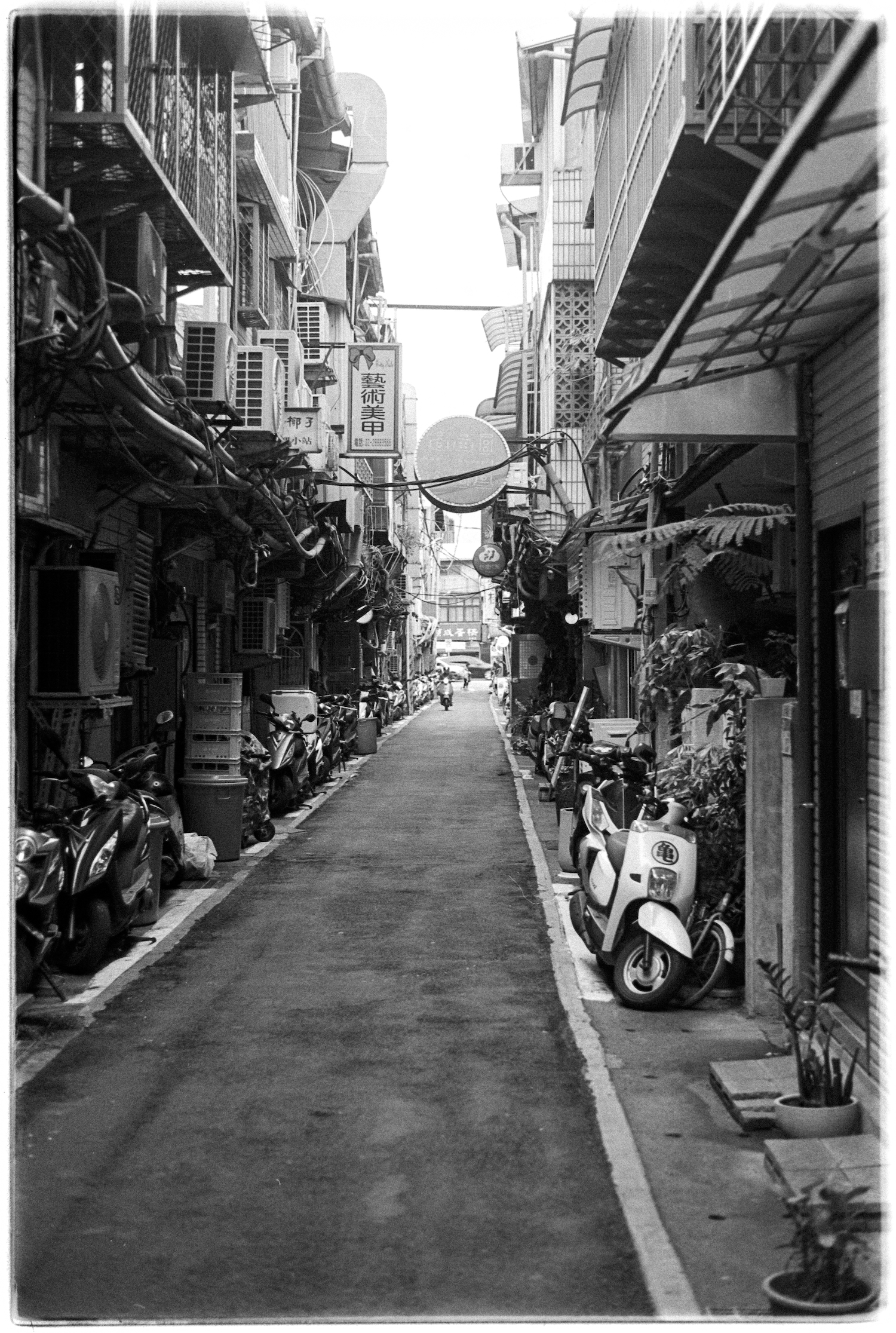
Looking back on the trip I'm glad I went with the “one camera, one lens, one film stock” approach - it really helped remove distractions and simultaneously helped me enjoy my time travelling, and made sure everything I photographed was worth occupying a frame on the roll. I didn't need to document every inch of the country, every minute of my trip, but the images I did choose to take back with me are how I want to remember it. That, and the fantastic food - hopefully I'll make it back there to savour it again someday.